Buying a Utility Trailer from a Private Seller — Complete Checklist
Last reviewed: January 2025
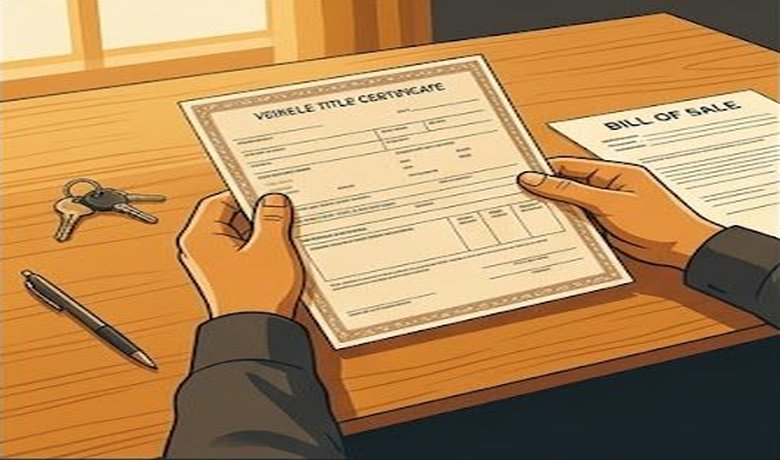
Private seller trailer purchases are where most title problems start. Sellers who can't find the title, titles in someone else's name, liens that were never released — these issues are common and largely avoidable if you verify the right things before money changes hands. Here's exactly what to check.
- Seller's name on ID matches name on title
- VIN on title matches VIN on trailer frame
- No lienholder listed (or lien release letter in hand)
- Title is original — not a photocopy
- No "SALVAGE" or "REBUILT" branding on title
- State's title weight threshold — does this trailer even need a title?
Verify the Title Before Anything Else
Ask to see the physical title before you even discuss price. A seller who says "I can't find it but I'll get a duplicate" is making you a promise — not a commitment. Either negotiate a lower price to account for the extra transfer work, or make the sale contingent on the seller producing a clear title first.
Title Red Flags
- Title is in someone else's name: The title should be in the seller's name. A title in a third party's name (even a family member's) requires that person to sign the transfer — the seller alone cannot complete it.
- Photocopied title: Title transfers require the original document. A photocopy is worthless. If the seller only has a copy, they need to get a duplicate.
- "SALVAGE" branded title: A salvage trailer can be legitimately sold, but you need to understand what you're buying — and some states require a rebuilt inspection before re-registration.
- Lienholder listed without a release: If a bank or finance company is listed on the title, the loan must be paid off and a lien release obtained before the title can be transferred to you.
- Multiple names on title with no "OR": If the title shows "John AND Jane Doe," both must sign. If it shows "John OR Jane Doe," either can sign alone.
Check the VIN
Before signing anything, physically locate the VIN on the trailer frame — typically stamped into the tongue (draw bar) or the front left frame rail. Compare it character-by-character to the VIN on the title. A single character mismatch means the title doesn't match the trailer.
If the trailer has no VIN, see our guide: Trailer Has No VIN — What to Do.
The Bill of Sale
Always get a written bill of sale, even if your state doesn't legally require one. It should include:
- Both parties' full legal names and addresses
- Date of sale
- Exact purchase price (this establishes your sales tax basis)
- Trailer description: year, make, VIN/serial number, type
- Both parties' signatures
- Statement that the trailer is free of liens (if seller represents this)
After the Sale — Transfer Steps
- Seller signs the title over to you.
The seller signs in the designated "Seller Signature" area on the back of the title. In states that require notarization for heavier trailers (Florida for trailers 2,000+ lbs net weight, for example), ensure this happens in front of a notary before you leave.
- You fill in your information on the title.
Most states have a buyer information section on the back of the title. Fill in your name, address, and the purchase date/price.
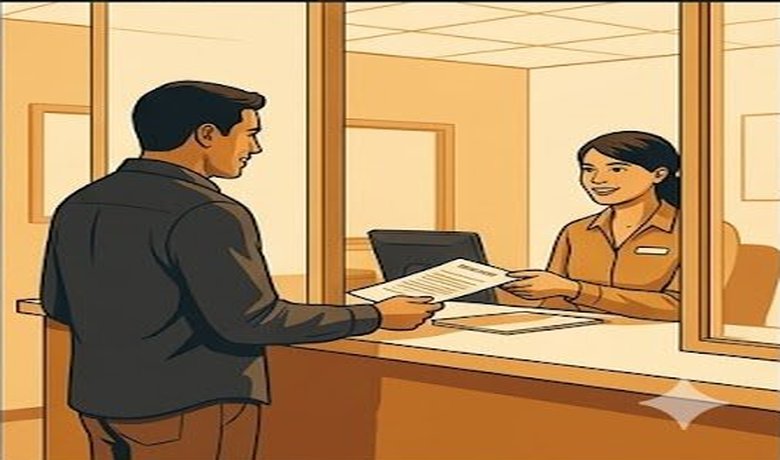
- Visit your state's title office within your state's deadline.
Florida: 30 days. Most other states: no strict penalty deadline, but don't delay. Bring the signed title, bill of sale, your ID, and payment.
- Pay title transfer fee, registration, and any applicable sales/use tax.
Most states collect sales tax on used trailer purchases at the time of title transfer — calculated on your bill of sale purchase price.
Can I drive the trailer home before transferring the title?
Legally, once ownership transfers (money changes hands), you're responsible for the trailer — but you may not yet have plates. Many states allow a brief window to tow a purchased vehicle without plates if you have a bill of sale proving recent purchase. Check your state's specific rule. When in doubt, ask the seller to drive it to a nearby location where you can complete the transfer before towing.
What if the seller refuses to give me a bill of sale?
A seller who refuses to provide a bill of sale — or insists on a cash-only sale with no paperwork — is a red flag. Walk away or insist on documentation. The bill of sale protects you from sales tax disputes, proves your ownership date, and documents the transaction if the trailer later turns out to have a lien or ownership problem.
Trailer Light & Wiring Tester — Before you tow to the DMV or county tag office, your trailer lights must be functional. A 7-way/4-way circuit tester plugs into your truck's trailer connector and instantly shows which circuits are live. Takes 2 minutes and prevents a rejected registration inspection.
Oyviny 7-Pin & 4-Pin Trailer Wiring Tester — $22.99 • 4.6/5 (286 reviews)
Check Price on Amazon →As an Amazon Associate we earn from qualifying purchases. Price and availability subject to change.