Trailer Has No VIN — What to Do
Last reviewed: January 2025
Many older utility trailers and all homemade trailers lack a Manufacturer's VIN (Vehicle Identification Number). This doesn't mean you can't title or register the trailer — it just means you need to go through your state's VIN assignment process first. Here's how it works.
Why Some Trailers Have No VIN
There are three common reasons a trailer has no VIN:
- It was manufactured before VIN standards were required — older trailers from the 1960s and earlier may have never had a VIN
- It was homemade or shop-built — private individuals and small shops building trailers don't receive manufacturer VINs
- The VIN plate was lost, damaged, or never affixed properly — the VIN exists in state records, but the physical plate is missing from the trailer
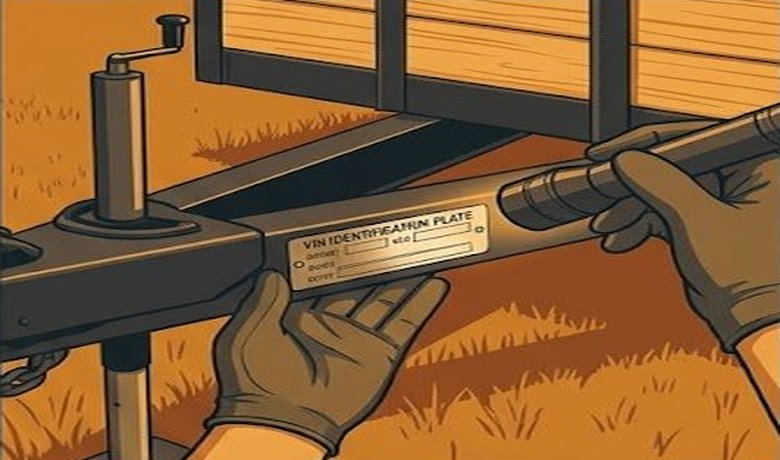
The VIN Assignment Process
When a trailer has no VIN, your state assigns one through a physical inspection process. The process typically works like this:
- Contact your county title office or state DMV.
Call ahead and explain the situation — a trailer with no VIN that you need to title. They'll tell you whether the VIN inspection is done at the county level or requires a state DMV inspector or law enforcement officer.
- Bring the trailer for physical inspection.
The inspector physically examines the trailer to confirm: (1) it exists as described, (2) it has no hidden or removed VIN (which would indicate it came from a titled vehicle), and (3) it's a legitimate no-VIN situation rather than a VIN tampering case.
- VIN plate is affixed.
After inspection, a state-issued VIN plate is permanently affixed to the trailer's tongue or front frame rail. The inspector records the assigned number. Never remove this plate — doing so is a crime in all states.
- Proceed with title application using the new VIN.
Once the VIN is assigned, you complete your state's title application with the new number and proceed through the normal titling process for your trailer type.
Inspection Fees and Timing
| State | Who Inspects | Fee | Typical Wait |
|---|---|---|---|
| Tennessee | County Clerk or THP Officer | $4 (THP) | 1–2 weeks |
| Texas | TxDMV Inspector | $0–$5 | 1–3 weeks |
| Ohio | OSHP or County Title Clerk | $0 | 1–2 weeks |
| Georgia | County Tag Office | $0 | Same day – 1 week |
| Florida | HSMV Inspector | $0 | 1–3 weeks |
| Most other states | County/DMV agent | $0–$15 | 1–3 weeks |
Never try to use a VIN from a scrapped, totaled, or abandoned vehicle on your trailer. This is title fraud — a felony in every state — and is detectable during any inspection. States know how to identify "cloned" VINs. The only legal path is the state-assigned VIN process described above.
Can I register a trailer without a VIN?
No — you need a VIN to title or register the trailer. However, getting one assigned is a straightforward process. You cannot skip the VIN assignment step and go straight to registration.
What if the VIN plate just fell off or became unreadable?
If the trailer previously had a VIN but the plate is now missing or unreadable, this is different from a never-VIN situation. Check your state's title records — the VIN may be on file from a previous registration. Contact your county title office with the trailer's registration history (if available) to request a VIN verification or replacement plate.